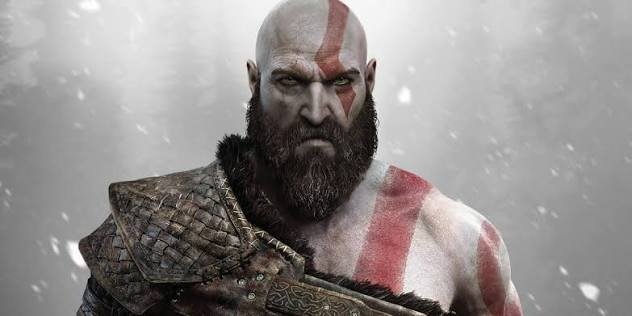

God of War is one of the most iconic action-adventure video game franchises in gaming history. Developed by Santa Monica Studio and published by Sony Interactive Entertainment, the series is famous for its intense combat, powerful storytelling, legendary characters, and breathtaking mythological worlds. From the ancient Greek gods to the mysterious realms of Norse mythology, God of War takes players on unforgettable adventures filled with battles, exploration, and emotional moments.
The franchise follows Kratos, a powerful warrior whose life is shaped by tragedy, anger, revenge, and his struggle to control his violent nature. Across the series, players experience epic battles against gods and monsters while uncovering stories about family, destiny, and the consequences of one’s actions.
Whether you enjoy challenging combat, cinematic storytelling, or mythology-inspired adventures, God of War offers an experience that has helped define modern action games.
What Is God of War?
God of War is an action-adventure franchise that combines melee combat, exploration, puzzles, and narrative-driven gameplay. The original game debuted in 2005 on the PlayStation 2 and introduced players to Kratos, a Spartan warrior seeking revenge against Ares, the Greek god of war.
The early games primarily explored Greek mythology, featuring powerful gods, legendary creatures, ancient temples, and dangerous underworld locations. As the series developed, it expanded its storytelling and combat systems while maintaining its focus on Kratos and his complicated relationship with violence.
The 2018 installment, also titled God of War, introduced a new chapter inspired by Norse mythology. It follows an older Kratos living in the Norse world with his young son, Atreus. This change brought a more personal story centered on fatherhood, grief, responsibility, and the challenge of breaking destructive patterns.
The sequel, God of War Ragnarök, continues their journey and explores the growing conflict surrounding the fate of the Norse realms.
Kratos: The Ghost of Sparta
Kratos is the central character of the God of War franchise and one of the most recognizable protagonists in gaming. Originally a Spartan warrior, he becomes entangled with the Greek gods after making a desperate bargain with Ares.
His life is marked by devastating losses and a desire for revenge. These experiences transform him into a formidable fighter who challenges the very gods he once served.
In the Greek-era games, Kratos is often driven by anger and vengeance. His battles against the Olympian gods demonstrate his extraordinary strength, but they also reveal the destructive consequences of his choices.
In the Norse-era games, Kratos is older and more restrained. He attempts to leave his violent past behind and become a better father to Atreus. However, his history continues to influence his decisions, creating tension between his desire for peace and the need to protect his family.
This character development is one of the franchise’s greatest strengths. Kratos is not simply a powerful warrior; he is a complicated character struggling to change.
Atreus and the Importance of Family
Atreus plays a major role in the Norse chapters of God of War. As Kratos’s son, he accompanies his father on dangerous journeys through unfamiliar realms.
Atreus is curious, intelligent, and eager to understand the world around him. However, his youth and limited experience sometimes lead him to make mistakes. As he learns more about his identity and abilities, his relationship with Kratos becomes increasingly complicated.
Their journey explores the challenges of parenthood and growing up. Kratos wants to protect Atreus from the mistakes that defined his own life, but his strict approach can make communication difficult.
Atreus, meanwhile, wants to understand his heritage and discover who he is meant to become. Their disagreements create emotional depth and help distinguish the newer games from traditional action adventures.
The relationship between father and son demonstrates that the franchise is about more than defeating powerful enemies. It is also about trust, responsibility, and learning how to change.
Exciting Combat and Powerful Weapons
Combat is one of the defining features of God of War. Players face a wide variety of enemies, from ordinary warriors to enormous monsters and powerful gods.
The original games emphasize fast-paced, combo-based combat. Kratos uses the Blades of Chaos, chained weapons that allow him to attack multiple enemies with sweeping movements and devastating combinations. As the series progresses, players unlock additional weapons, magical abilities, and powerful attacks.
The 2018 God of War introduced the Leviathan Axe, a magical weapon that can be thrown at enemies and recalled to Kratos’s hand. This mechanic creates new combat possibilities and adds a satisfying element of precision.
God of War Ragnarök expands the combat system with additional abilities, weapon techniques, and equipment options. Players can experiment with different fighting styles and develop strategies suited to various encounters.
Successful combat requires more than simply attacking. Dodging, blocking, parrying, and recognizing enemy attack patterns are important for surviving difficult battles.
Explore Mythological Worlds
One of the most impressive aspects of God of War is its world design. Each major era draws inspiration from mythology and transforms legendary locations into detailed environments.
The Greek games feature ancient temples, dangerous labyrinths, volcanic landscapes, and the Underworld. These locations are filled with puzzles, hidden treasures, and creatures inspired by Greek legends.
The Norse games introduce players to realms connected to Norse mythology. These include Midgard, Alfheim, Svartalfheim, and other extraordinary locations with distinctive landscapes, inhabitants, and challenges.
Exploration often rewards players with useful equipment, crafting materials, optional encounters, and pieces of the world’s history. Hidden chambers and environmental puzzles encourage players to look beyond the main path.
The environments also support the storytelling, allowing players to discover information about the gods, ancient conflicts, and the history of the realms.
Boss Battles and Legendary Enemies
God of War is famous for its spectacular boss battles. Throughout the franchise, Kratos confronts gods, mythical beasts, giants, and other extraordinary opponents.
These encounters often test the player’s ability to recognize attack patterns, manage resources, and use available combat abilities effectively. Some bosses require careful timing, while others challenge players with multiple attack phases or dangerous environmental hazards.
The Greek games feature memorable confrontations with figures such as Ares, Zeus, and other Olympian gods. In the Norse games, players encounter powerful figures from Norse mythology, including Baldur, Thor, and Odin.
Boss battles are often important moments in the narrative, combining intense gameplay with dramatic storytelling and impressive visual presentation.
Puzzles, Exploration, and Upgrades
Although combat receives much of the attention, God of War also includes puzzles and exploration. Players may need to manipulate mechanisms, find hidden pathways, activate ancient devices, or use their weapons in creative ways to progress.
These challenges provide a break from combat while encouraging observation and problem-solving.
Upgrading equipment is another important feature. Players can collect resources, improve weapons, unlock abilities, and customize armor to support different combat strategies.
Some upgrades increase damage, while others improve defense, recovery, or special abilities. Choosing equipment carefully can make a meaningful difference during challenging encounters.
Optional quests also add depth to the world, introducing additional characters and revealing more about the mythology surrounding Kratos and Atreus.
Graphics, Music, and Storytelling
God of War is widely recognized for its cinematic presentation. Detailed character models, dramatic environments, expressive animations, and carefully staged action sequences help create an immersive experience.
The Norse-era games are particularly notable for their continuous-camera presentation, which follows much of the adventure without traditional visible cuts between gameplay and cinematic scenes.
Music also contributes significantly to the atmosphere. The soundtrack combines powerful orchestral arrangements with emotional themes that complement both intense battles and quieter moments between characters.
Voice acting and dialogue help bring the characters to life. The conversations between Kratos and Atreus often reveal as much about their personalities as the major story events do.
Together, these elements create a balance between action, exploration, and emotional storytelling.
Tips for Beginners Playing God of War
If you are new to God of War, these tips can help you get started:
- Learn the combat controls: Practice light attacks, heavy attacks, blocking, dodging, and weapon abilities.
- Pay attention to enemy signals: Many enemies telegraph their attacks, giving you an opportunity to defend yourself.
- Upgrade your equipment: Improve weapons and armor to increase your effectiveness in combat.
- Explore side paths: Hidden areas can contain valuable resources, collectibles, and useful equipment.
- Use Atreus effectively: In the Norse games, Atreus can assist in combat and help you handle groups of enemies.
- Experiment with abilities: Different runic attacks and skills can be useful against different opponents.
- Choose a suitable difficulty: If you are learning the combat system, begin with a difficulty that allows you to enjoy the story while developing your skills.
These strategies can help newcomers become more comfortable with the mechanics and prepare for increasingly difficult encounters.
Why Is God of War So Popular?
God of War stands out because it combines powerful combat with memorable storytelling. Its mythological setting provides an endless source of dramatic conflicts, while Kratos’s character development gives the series emotional depth.
The franchise has also evolved significantly over time. The early games are known for their fast-paced action and revenge-driven stories, while the newer installments emphasize exploration, tactical combat, and relationships.
This evolution has allowed the series to appeal to longtime fans as well as new players. The combination of spectacular boss battles, detailed environments, weapon upgrades, and personal storytelling makes each major installment a distinctive experience.
Final Verdict
God of War is an outstanding action-adventure franchise that combines mythology, challenging combat, exploration, and emotional storytelling. Kratos’s journey from a warrior consumed by revenge to a father attempting to change his legacy gives the series a powerful central theme.
Whether you prefer the brutal battles of the Greek saga or the deeper character-driven adventures of the Norse era, God of War offers memorable characters, extraordinary worlds, and thrilling encounters.
If you enjoy action games with cinematic storytelling, powerful weapons, legendary enemies, and meaningful character development, God of War is a franchise worth experiencing. Join Kratos on his journey, explore the realms of mythology, and discover what it truly means to become a better version of yourself.